In the late ‘80s and ‘90s, the economy was not as it is now. We were in the darkness. Rural homes had few or no electricity connections – at least from where I come from. Only the major towns/shopping centers and churches were connected. The pylons were erected in 1991 – I remember this. It was amazing to watch the crew “pole dance” as they moved up and down the poles with their fancy gear (shoes). In the evening, they would be singing some crazy songs as they got back to their living quarters in the next town in the open lorry, which was the defacto means of transporting the poles. You get the gist?
Life, then, was quite a challenge. With no electricity, and the cost of kerosene not friendly, supper was always ready by 6pm. Every day. You congregate by the fireplace, eat together, if you are lucky there would be black tea after, then you scatter to your “beds”. Coming to think of it, we consistently had 8+ hours of sleep every day! And that is something to cherish. Almost every homestead had grass-thatched house(s). Nowadays you hardly see any of these, now replaced with iron sheets, mud houses now plastered etc. The wetlands where we sourced papyrus reeds for thatching the houses are no longer available – either they dried up or serious farming took over.
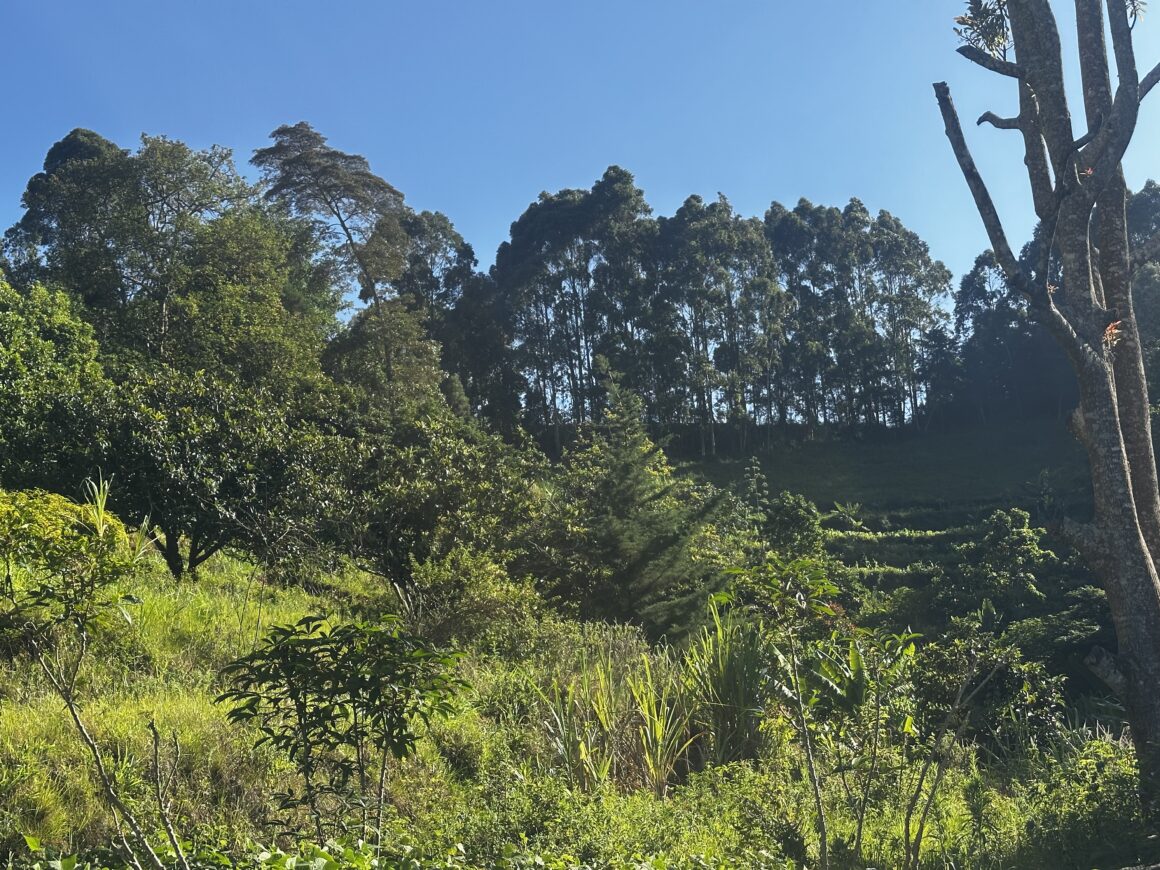
The landscape? Greener than ever. Folks have taken afforestation and reforestation very seriously. Homesteads are shielded by huge exotic trees. In a span of less than 20 years, those areas which had no vegetation are now thriving mini-forests. The main source of cooking energy in the rural areas is wood, and these trees provide this and also for various other uses – making furniture, building structures and so on and so forth. My grandfather, in his wisdom, when he bought land, brought in the wattle species of trees. Very versatile. And all its parts are usable, including the gum which you could chew and quench your hunger pangs (though it was rumored that the more you ate the gum, the more stupid you became). This species has now been replaced by the famous “mukima” Grevillea robusta (Silky Oak or Australian Silky Oak) which is fast growing. Mukima is only good for firewood – those who have attempted to make furniture out of it regret later, and it cannot make charcoal to save itself. What a pity.
The local church (Catholic) where I worshipped as I grew up – at some point I was an altar boy, then transitioned to choir has not been left behind. The transformation is noticeable – interior floor now tiled from the altar to the back door and new pews provided. The outside façade, red coloured bricks with white mortared keys welcomes you – come with your sins as red as these bricks and come out blessed and cleansed “white”. The spaces outside which were dusty and dry like a desert are now carpeted with lush grass, ornamental plants and green bushy flowers. The bell tower still stands tall with its faulty clock (legend has it that there were parts left in Italy which have never been shipped to the parish, therefore it has never worked) minus the bell. The bell. One day it just fell to the floor – the wooden beams which were supporting it gave in due to old age. Fortunately it did not meet anyone on its free fall. They then made a tower outside the church for this bell – and it is always rung every day calling congregants to the church.
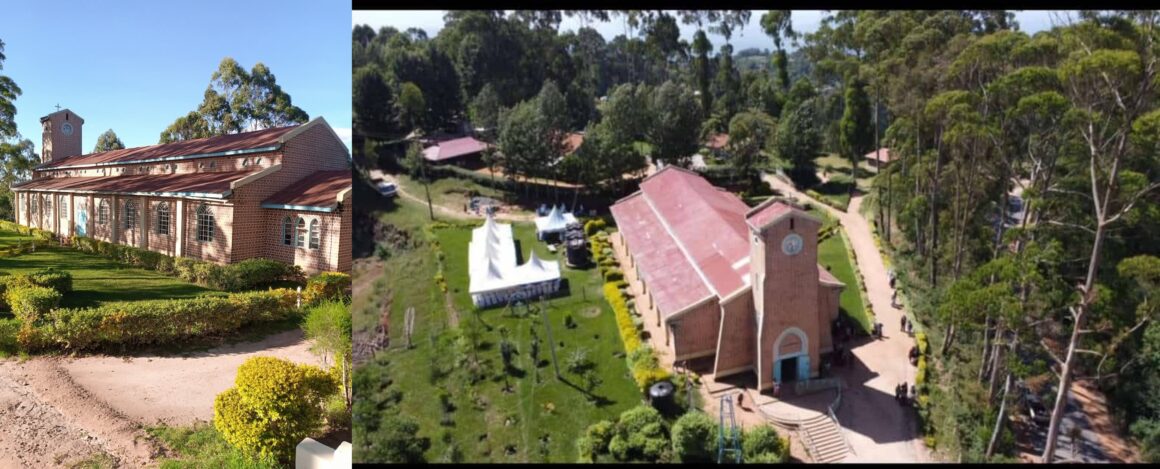
One of the most welcome development is the sinking of a borehole in the church compound. Solar powered. Donor funded. Water flows every day. Villagers come in drones to buy this water. Highly subsidized – generating only enough to pay the attendant(s) and to maintain the borehole infrastructure. No exploitation. Not a profit-driven venture. Very nice!
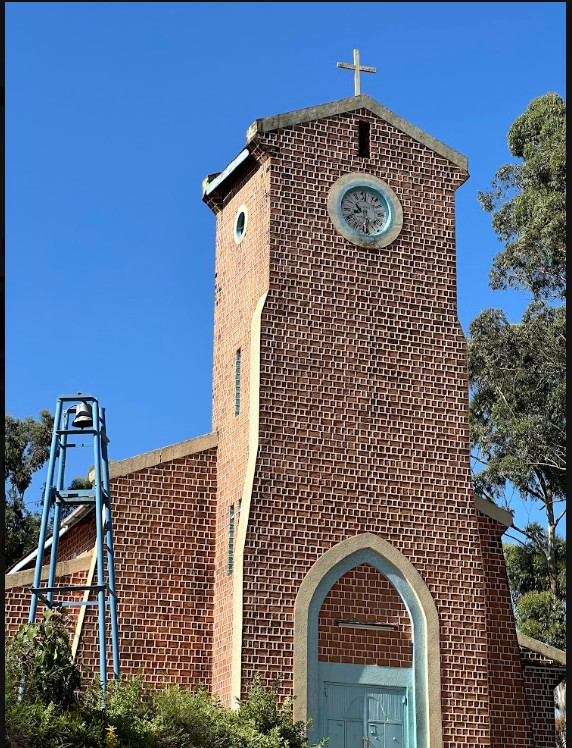
Kyale catholic parish bell tower
Talking of water. In the ‘90s, the community decided to come together to fix water issues across various villages. They had identified a reliable source of water from a never-drying stream kilometers away. The idea was simple – pump the water to a central location then distribute to the households through gravity. The local church agreed to give a small portion of the land for the construction of the tank. Foundation trenches done. Rocks collected ready to turn them to ballast for the construction of the base for the main tank. Soon membership fees were calculated, families were encouraged to pay so that piping can be done. You know where this story is heading. No? Stay with me. As a family, we could not raise the membership fee so we were conveniently skipped. Beacons were erected. Places where the pipe junctions would be placed were identified. Meetings were called and attended. Everyone was thirsty. Then the wait started.
I believe the person(s) who came up with this noble idea either died or were summoned to a higher office and cautioned not to continue with the idea. Or they were heavily bribed – briefcases full of crisp bank notes were passed from a pair of sweaty palms to another. We would by now be net exporters of exotic crop like jasmine, French beans, peas, custard apples and the villages would be a marvel to the rest of the world. Farmers and policy makers would be combing the area for benchmarking. Oh my! The local currency would be dollars and we would not be enjoined in the world fuel mess we are in at the moment. We would have powers to summon the powers-that-be and they would come bowing to our demands. We would be the movers of the country’s economy. Ladies and gentlemen, when you come up with an idea please follow it up to it’s conclusion because you might cause a village go to sleep as paupers only to wake up as milli(billi)onaires. Dollar mill/billionaires.
What is remaining to be done in the village? Paved roads – important so that we make sure the wattle bark is delivered to the tanning factories efficiently. Sorry. This economic activity came to a halt the moment we embraced synthetic leather products. How can leather be synthetic and still be called leather? Anyway we need paved roads. Home fibre – this will be a game changer. Can you imagine working from the village for a multinational as you keep an eye on your goats and the exotic crops in the green house? At the same time breathing fresh air and building a self-sustaining community. Arrggh!